


Is Seville Walkable? Exploring the City on Foot
Before visiting Seville, one of the questions I kept coming back to was whether it was a city best explored on foot. Not just possible to walk, but genuinely pleasant to do so day after day.
After seven days of walking almost everywhere, the answer felt clear very quickly: Seville isn’t just walkable — it’s at its best when you slow down and experience it on foot.
You can read my prevous blog post about my visit to Seville here

First impressions — understanding Seville on foot
It didn’t take long to get a sense of Seville’s scale. Within the first couple of hours, distances felt manageable, landmarks began to relate to one another, and the city stopped feeling abstract.
Walking made Seville legible. Streets connected logically, neighbourhoods blended naturally, and it was easy to understand how the city fitted together without constantly checking directions. That early confidence made the rest of the week feel relaxed rather than planned.
Distances between Seville’s main areas
One of the biggest surprises was how close everything felt. Areas that might look spread out on a map were comfortably walkable in practice, especially within and around the historic centre.
Most walks took just long enough to feel purposeful without becoming tiring. That balance shaped the days naturally — a stretch of walking, a pause, then another short wander. Because distances rarely felt daunting, there was little pressure to bundle too much into a single route.

Neighbourhoods that reward walking
Seville’s streets are where the city really reveals itself. Narrow lanes, changing light, and layered architecture create a rhythm that’s difficult to appreciate any other way.
Walking allows small details to surface — balconies stacked above each other, doorways opening onto quiet courtyards, sudden views framed at the end of a street. These are moments you don’t notice when moving quickly or travelling with a fixed destination in mind.
The river, Triana, and walking beyond the historic centre

One of Seville’s defining features is the Guadalquivir River, which separates the historic centre from the neighbourhood of Triana. In practice, the river never felt like a barrier. Crossing it on foot is straightforward, and doing so adds a clear sense of transition rather than distance.
Triana rewards slow exploration. Its streets feel slightly different in character, with a strong local identity, ceramics traditions, lively bars, and a relaxed, residential feel. It’s the kind of place that works best without a fixed plan — an area to wander, pause, and absorb rather than rush through.
The river itself is also a destination. Walking along the Guadalquivir on a fine day offers long, open stretches with views back across the water to the city, bridges, and changing skyline. These riverside walks feel expansive compared to the narrower streets elsewhere and provide a natural counterpoint to the enclosed historic centre.
Daily rhythm — when Seville is best explored on foot
Walking Seville at different times of day revealed subtle but important shifts.
Early mornings were calm and spacious, ideal for wandering without interruption. Midday naturally slowed the pace, encouraging longer breaks and shorter routes. By evening, the city softened again — streets filled gently, and walking became social rather than purposeful.
That rhythm made walking feel intuitive. Rather than pushing through long distances all at once, the day unfolded in stages, guided by light, energy, and temperature.

Choosing accommodation with walking in mind
Hotel location plays a bigger role than it might first appear. Staying centrally makes it far easier to experience Seville on foot without constantly planning routes or saving places for later.
Being within easy walking distance of the main historic areas meant I could revisit key attractions at different times — seeing the same places by day and again in the evening a few days later, when the atmosphere had shifted completely. That flexibility is hard to replicate if you’re staying further out.
A central base also makes it easier to head out in different directions each day, letting walking shape exploration rather than transport decisions.
Shopping as part of the walking experience
Seville’s main shopping streets are largely concentrated in one area, which makes them easy to incorporate into a walking day rather than treating them as a separate excursion.
Local shops, small streets, and busier commercial areas blend naturally into the wider city. It’s easy to set aside a couple of hours to explore, pause for coffee, and then continue walking elsewhere without breaking the rhythm of the day.
It was a reminder that not every walk needs to revolve around attractions. Some of the most enjoyable stretches were unplanned, shaped by browsing, wandering, and taking time out.
When walking works best — and when it doesn’t

Season matters.
Seville is famously hot during the peak summer months, and that intensity would fundamentally change the walking experience. Long days on foot would be far more demanding, with exploration needing to revolve around shade, timing, and frequent pauses. If walking is central to how you like to experience a city, those months are best avoided.
Visiting in winter made a significant difference. January brought manageable temperatures, quieter streets, and the freedom to walk without constantly planning around heat. It allowed walking to feel natural rather than strategic.
Flat terrain and ease of movement
Another practical advantage is how flat Seville is. There are no steep climbs or sudden elevation changes, and very little physical effort required beyond the distance itself.
That flatness makes walking sustainable over multiple days. Even after hours on foot, the city never felt punishing — just gently expansive. It’s easy to see why Seville is often mentioned among Europe’s most walkable cities.
Walking as a way of seeing
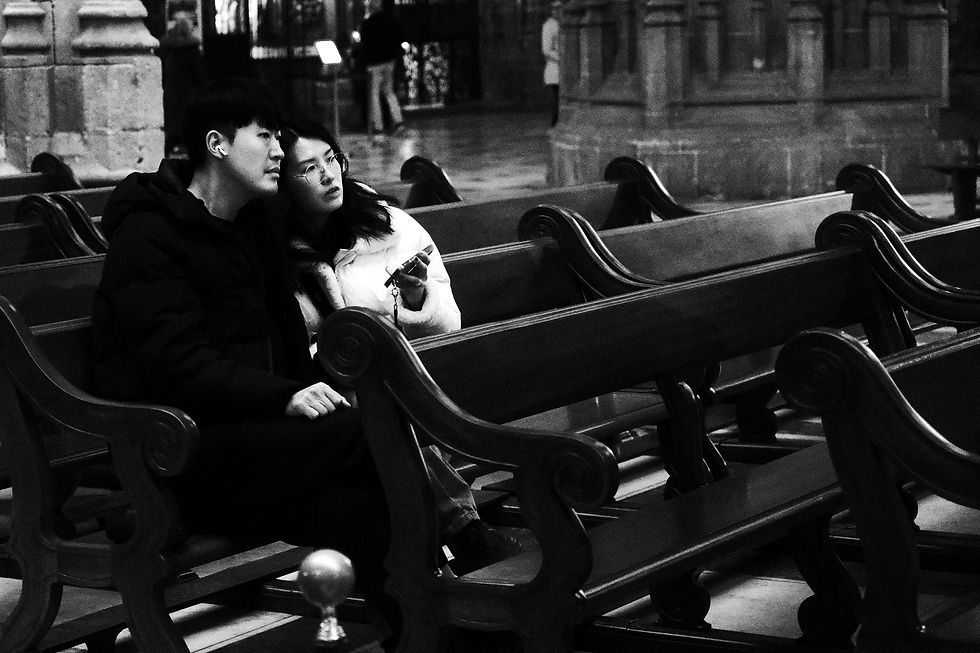
More than anything, walking shaped how I experienced Seville.
It wasn’t just a way of getting from one place to another, but a way of noticing how the city works — how spaces connect, how people move, and how atmosphere changes throughout the day. Many of the moments that stayed with me weren’t destinations at all, but transitions between them.
If you enjoy cities that reward patience and observation, Seville makes a strong case for leaving transport behind and trusting your feet instead.
In summary
Seville is not only walkable — it’s best explored on foot. Its scale, flat terrain, architecture, neighbourhood layout, and daily rhythm all support a slower pace. Choose accommodation with walking in mind, pick the right season, and allow time to wander. The city opens up naturally when you do.

Comments